


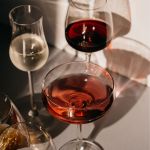
Wine tasting is not merely an act of sipping; it’s a sensory journey that engages all facets of perception. Beyond just taste, our senses of smell, sight, and touch play crucial roles in experiencing the complexities of wine. In this exploration, we delve into the art of wine tasting, using our senses to unlock the nuances of flavor, aroma, and texture that each glass has to offer. Anyone who knows me knows I enjoy tasting wine almost as much as drinking it. In culinary school we were challenged to engage our senses as we tasted all kinds of wine. Ever since, it has become an instinct when out to dinner to ask those drinking wine if I could borrow their glass to smell the bouquet and see if I could guess every note. While it may sound strange, I challenge you sazónistas to do the same, as this simple exercise will test your palate & expand your wine knowledge!
To fully appreciate the depth and character of a wine, it’s essential to engage all of your senses in the tasting process. Here’s how to use each sense to its fullest potential:
- Sight: Begin by observing the wine’s appearance. Hold the glass up to the light and take note of its color, clarity, and viscosity. These visual cues can provide insights into the wine’s age, grape variety, and winemaking techniques.
- Smell: Next, bring the glass to your nose and take a moment to inhale deeply. Pay attention to the wine’s bouquet, identifying the various aromas and notes that emerge. Swirl the wine gently in the glass to aerate it, releasing more of its aromatic compounds for you to explore.
- Taste: Take a small sip of the wine and let it coat your palate. Notice the flavors that unfold on your tongue, from fruity and floral notes to earthy and spicy undertones. Consider the wine’s acidity, sweetness, tannins, and body as you assess its overall balance and complexity.
- Touch: Finally, consider the wine’s texture and mouthfeel as you swirl it around your mouth. Is it light and crisp, or full-bodied and velvety? Pay attention to the wine’s finish, noting how long the flavors linger on your palate after swallowing.
Using Your Palate to Taste Wine: As you hone your tasting skills, keep the following tips in mind to enhance your sensory experience:
- Take Your Time: Wine tasting is a leisurely and contemplative activity, so resist the urge to rush through it. Take your time to savor each sip and fully explore the wine’s nuances.
- Compare and Contrast: Taste wines side by side to compare and contrast their characteristics. This comparative approach can help you develop a deeper understanding of different grape varieties, regions, and winemaking styles.
- Stay Curious: Approach wine tasting with an open mind and a sense of curiosity. Be willing to experiment with new varietals, regions, and flavor profiles, and trust your palate to guide you.
- Practice Mindfulness: Stay present and focused during the tasting process, avoiding distractions and external influences. By practicing mindfulness, you can fully immerse yourself in the sensory experience and appreciate the intricacies of each wine.
Wine tasting is a multi-sensory experience that offers a window into the rich and diverse world of wine. By engaging your senses of sight, smell, taste, and touch, you can unlock the hidden depths of flavor, aroma, and texture that each glass has to offer. So the next time you raise a glass, take a moment to truly savor the experience, using your palate to taste wine in all its complexity and beauty. Cheers to the sensory journey that awaits!





 thesazonista.com
Leave a comment