

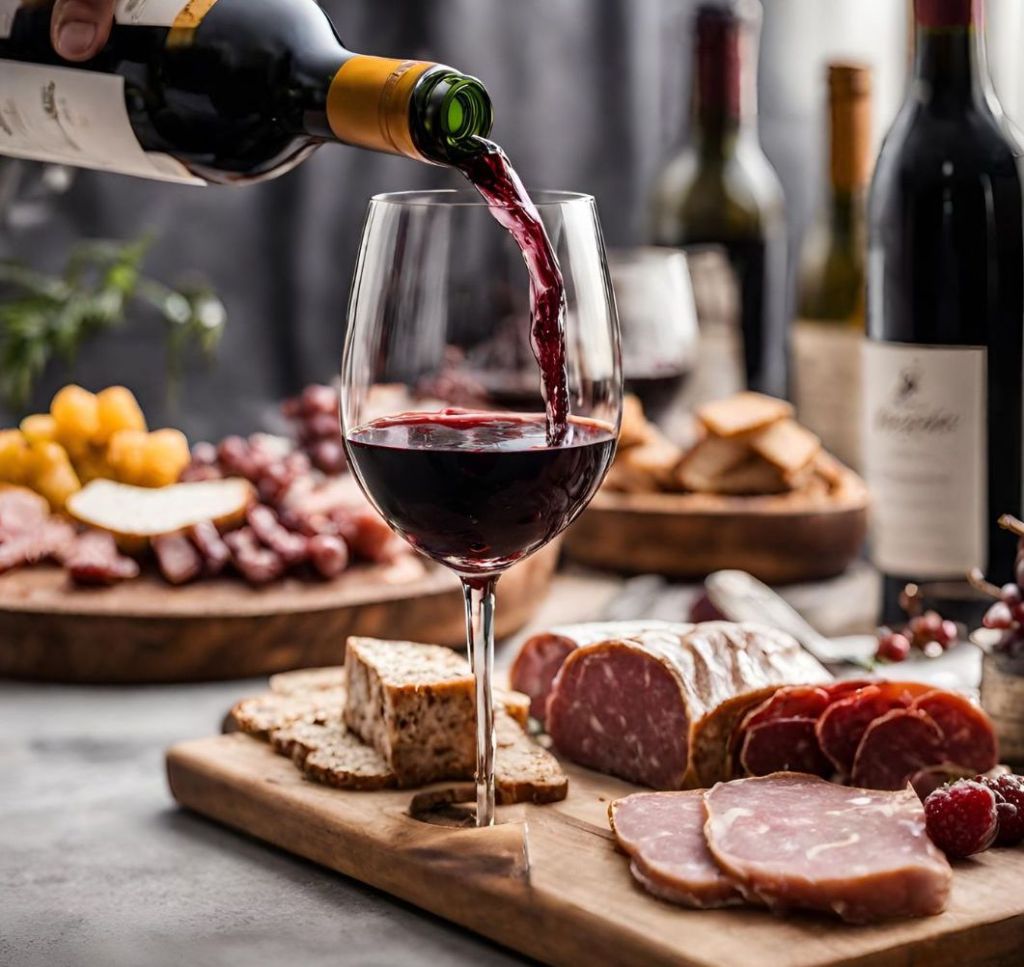
Few things elevate a dining experience quite like the harmonious marriage of food and wine. When chosen thoughtfully, the right wine can enhance the flavors of a dish, creating a symphony of taste sensations on the palate. Luckily for you, this sazónista took some wine courses in culinary school and knows a thing or two on this subject. In this exploration of food and wine pairing, we will unlock the secrets to achieving perfect matches that elevate your dining experiences to new heights.
Understanding Flavor Profiles: The key to successful food and wine pairing lies in understanding the flavor profiles of both the dish and the wine. Here’s a breakdown of the basic flavor components to consider:
- Acidity: Wines with higher acidity cut through rich and fatty foods, cleansing the palate and refreshing the taste buds.
- Sweetness: Sweet wines pair well with spicy dishes, balancing out the heat, or with desserts, enhancing their sweetness.
- Tannins: Tannic wines pair well with fatty and protein-rich foods, as the tannins help to cleanse the palate and cut through richness.
- Body: The weight and texture of a wine (light-bodied, medium-bodied, full-bodied) should complement the weight and intensity of the dish.
- Flavor Intensity: Consider the intensity of flavors in both the food and the wine, aiming for balance rather than overpowering one another.
Classic Pairings: Certain food and wine combinations have stood the test of time, creating classic pairings that never fail to impress. Here are some examples:
- Chardonnay with Buttered Lobster: The richness of buttered lobster is complemented by the creamy texture and subtle oakiness of Chardonnay.
- Cabernet Sauvignon with Grilled Steak: The bold flavors and tannic structure of Cabernet Sauvignon stand up to the robust flavors of grilled steak, creating a perfect match.
- Sauvignon Blanc with Goat Cheese Salad: The crisp acidity and herbaceous notes of Sauvignon Blanc complement the tanginess of goat cheese in salads or appetizers.
- Pinot Noir with Salmon: The delicate flavors and silky texture of Pinot Noir enhance the natural richness of salmon without overpowering its delicate flavor.
- Riesling with Spicy Thai Cuisine: The slight sweetness and high acidity of Riesling balance out the heat and spice of Thai dishes, creating a refreshing contrast.
Guidelines for Pairing: While classic pairings provide a solid foundation, don’t be afraid to experiment and trust your palate when it comes to food and wine pairing. Here are some general guidelines to consider:
- Match Intensity: Pair light-bodied wines with lighter dishes and full-bodied wines with richer, more flavorful dishes.
- Consider Complementary and Contrasting Flavors: Look for flavors that complement or contrast with each other, creating a balanced and dynamic pairing.
- Think Regionally: Consider the regional cuisine of the wine’s origin and pair it with dishes from the same region for a harmonious match.
- Don’t Forget About Texture: Consider the texture of both the food and the wine, aiming for complementary textures that enhance the overall dining experience.
- Trust Your Palate: Ultimately, the best food and wine pairings are the ones that you enjoy. Trust your palate and experiment with different combinations to discover your own perfect matches.
Unlocking the secrets to perfect food and wine pairing is both an art and a science, requiring an understanding of flavor profiles, classic pairings, and personal preferences. By considering the acidity, sweetness, tannins, body, and flavor intensity of both the food and the wine, you can create harmonious matches that elevate your dining experiences to new heights. So whether you’re hosting a dinner party or simply enjoying a quiet meal at home, let the magic of food and wine pairing enhance your culinary adventures and delight your taste buds. Cheers to wining and dining with sazón!






 thesazonista.com
Leave a comment